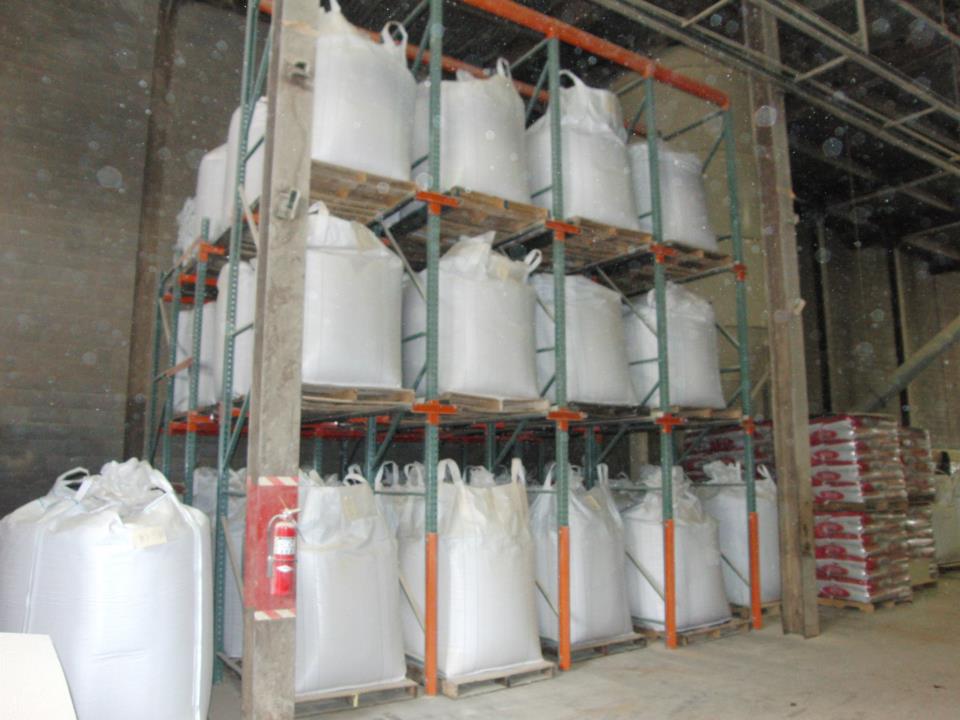
Drive-In Rack in West Sacramento, CA
Large uniform receipts can make drive-in rack a practical West Sacramento storage option when each lane holds repeated pallets of the same item. The system concentrates reserve inventory into deep lanes instead of providing an aisle beside every row. It works best with many pallets and few SKUs, not unrelated products competing for access.
Near Southport, beverage distribution planning should leave room for batch checks before pallets enter reserve storage. Around Enterprise Boulevard, the relationship between receiving doors and outbound staging should determine which direction lanes face. Neither location changes the basic requirement: enough matching inventory must occupy each lane without burying goods needed for earlier dispatch.
How Drive-In Pallet Rack Is Specified
Describe each receipt
Provide the usual batch size, product grouping and pallet weights. Identify inspection holds or lot restrictions that prevent otherwise similar pallets from sharing storage.
Check access geometry
We review truck dimensions, mast movement and load overhang. Door approaches and turning areas are considered alongside the space inside each proposed storage lane.
Map the rotation
Trace a receipt from staging into storage and back toward dispatch. Decide whether one-ended access fits or whether opposite operating faces are necessary.
Agree on the layout
The proposal brings lane depths, support elevations and work areas together. Installation planning then addresses where stock and handling equipment can remain during the work.
Drive-Thru Racking and Support Choices
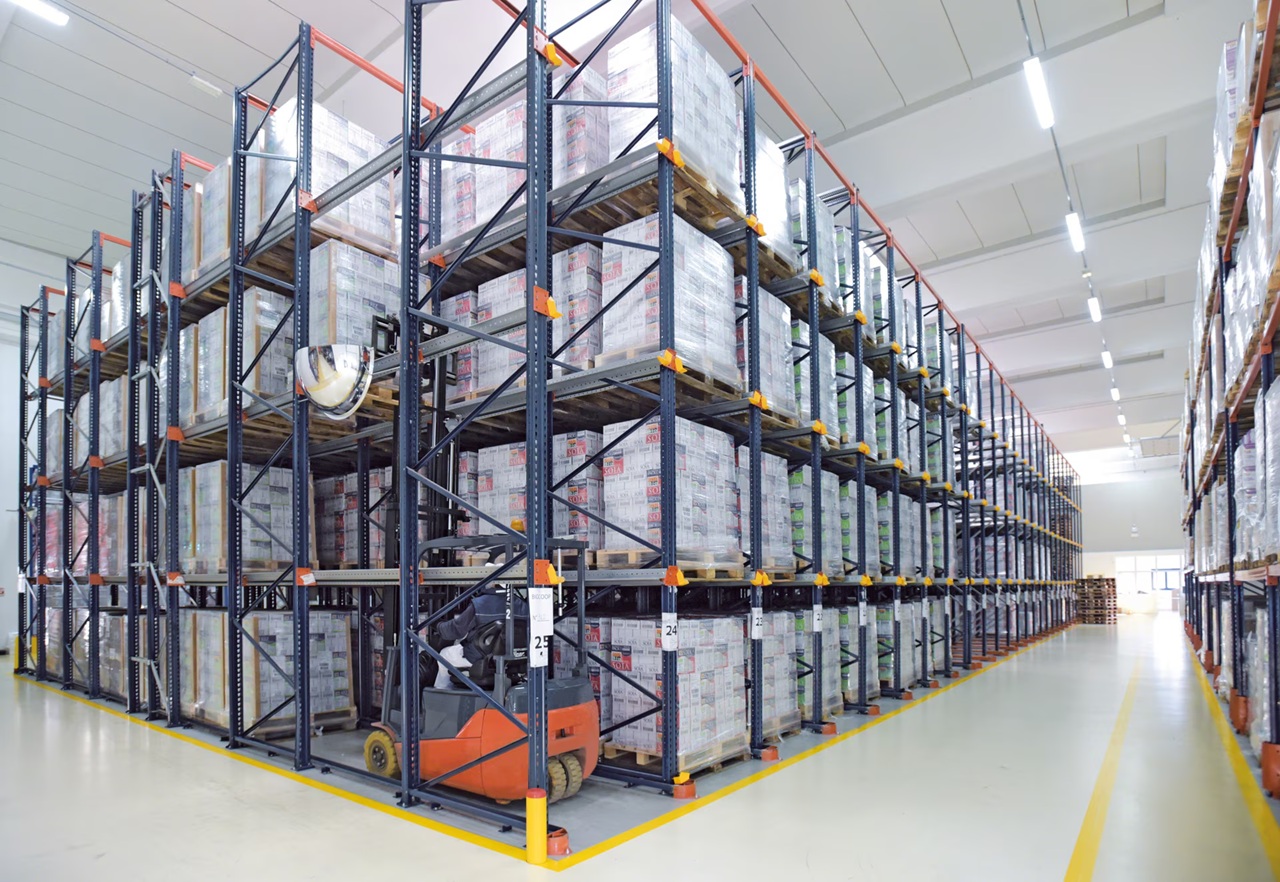
One-ended drive-in storage follows last-in, first-out handling because the entrance pallet must leave before pallets farther back become accessible. Drive-thru racking can provide first-in, first-out movement when loads enter one end and exit the other. Both faces need accessible operating space, and the receiving routine must preserve that directional sequence instead of treating either face as interchangeable.
Pallet support rails are selected for the specified load, pallet dimensions and bearing contact. A change in pallet base can alter the support requirement even when the product weight stays unchanged. Floor guides serve a different purpose: they help define the truck approach. Their spacing must match the forklift without conflicting with the clearances required by the load.
For a cooler or freezer application, dense storage is worth considering only after the temperature range, component suitability and lift truck capability are established. Pallet condition and condensation can affect handling assumptions. The operator must identify those conditions before equipment selection and the storage arrangement are finalized. This review determines whether the proposed materials, clearances and handling practices suit the intended refrigerated environment.
Pushback can offer lane-depth storage while keeping the forklift outside the rack, with pallets supported on moving carts rather than fixed lane rails. It is commonly a last-in, first-out alternative, so it does not automatically solve rotation constraints. Compare pallet compatibility, handling frequency and usable depth, then preserve separate accessible positions for mixed items, holds and urgent withdrawals.
Evaluate Drive-In Rack Beyond Pallet Count
We compare the proposed capacity with the inventory you can actually consolidate. A lane may look full on a drawing yet remain partly empty because several products cannot share its depth. Receipt size, withdrawal order and minimum balances help identify an arrangement that supports the working inventory rather than a theoretical maximum.
This system requires the forklift to travel inside the lane and lower pallets onto support rails. The truck itself stays on the floor and never rides the rails. That movement makes the forklift envelope, operator approach and pallet overhang essential inputs when choosing lane width and the elevations of storage levels.
We supply and install as a division of Warehouse Equipment & Supplies Co., with that work extending back to 1997. Your proposal should make the relationship between pallet support, reserve depth and surrounding handling space clear enough to compare alternatives before choosing the final arrangement.
Storage and Industrial Context
Service-area context includes Port of West Sacramento, Southport, Enterprise Boulevard.


Bring Your Bulk Storage Requirements
Send a floor sketch and the quantities that arrive together, plus loaded pallet dimensions and forklift details. We will use those inputs to discuss reserve depth, operating space and the alternatives appropriate for your inventory.
West Sacramento warehouse racking · Drive-in product specifications · Pushback storage options · Pallet flow options
Sacramento Pallet Racks
836 57th St.
Ste 410
Sacramento, CA 95819
(916) 357-9401Monday - Friday: 8:00 AM - 6:00 PM
Before You Commit to Deep Lanes
Other Rack Types We Supply in West Sacramento
Pallet Rack
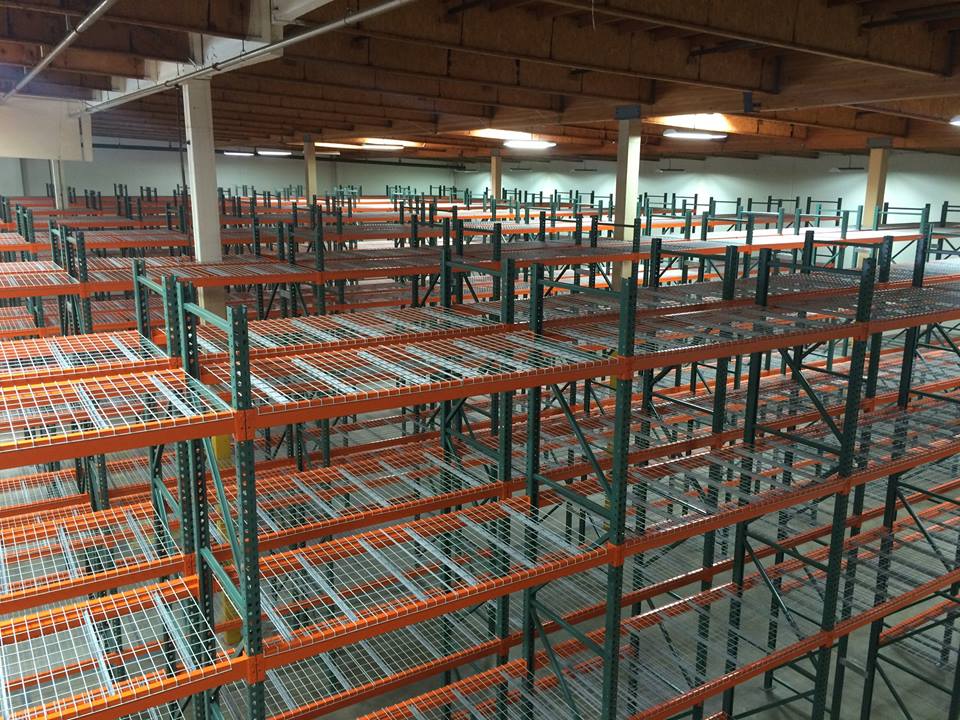
Every pallet reachable, every time. The baseline we size everything else against.
View details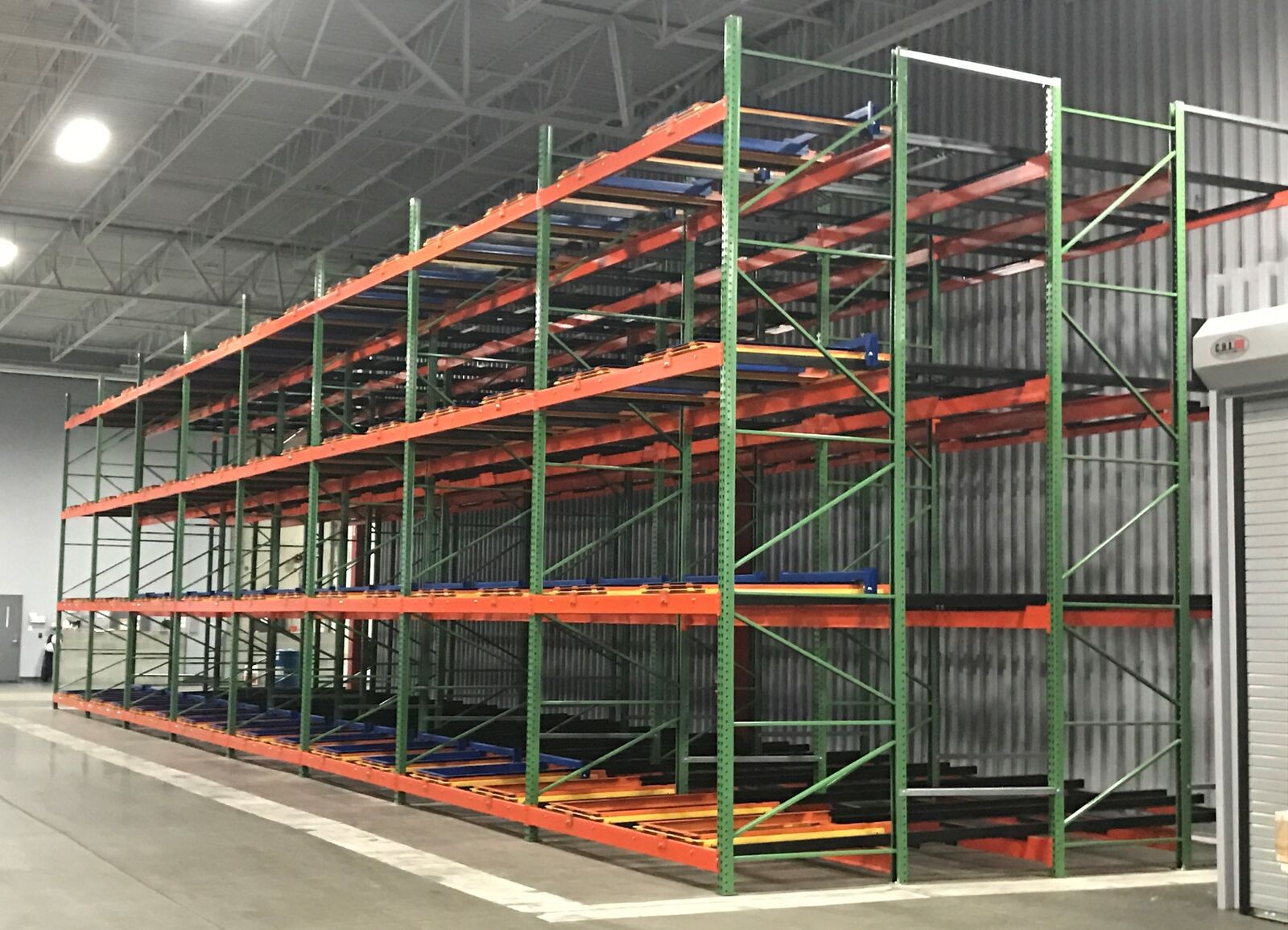
Pushback Rack
Two to six pallets deep from one aisle, without giving up much reach.
View details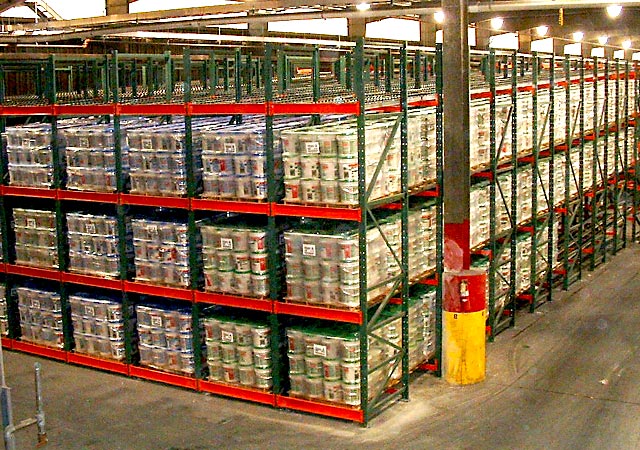
Pallet Flow Rack
Load one side, pick the other, and let gravity enforce first in, first out.
View details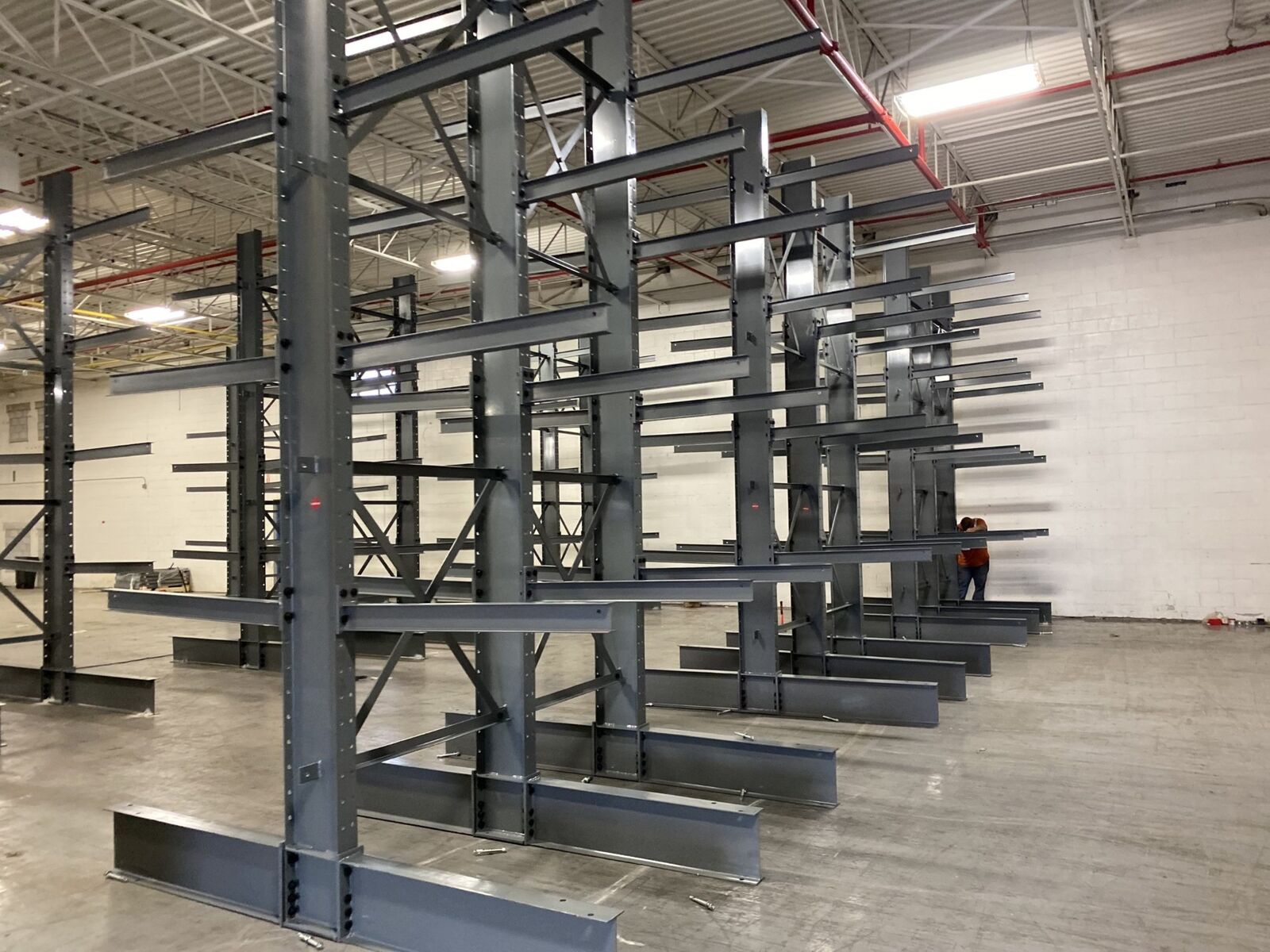
Cantilever Rack
Arms with nothing in front of them, built for lumber, pipe, and anything a pallet can't hold.
View details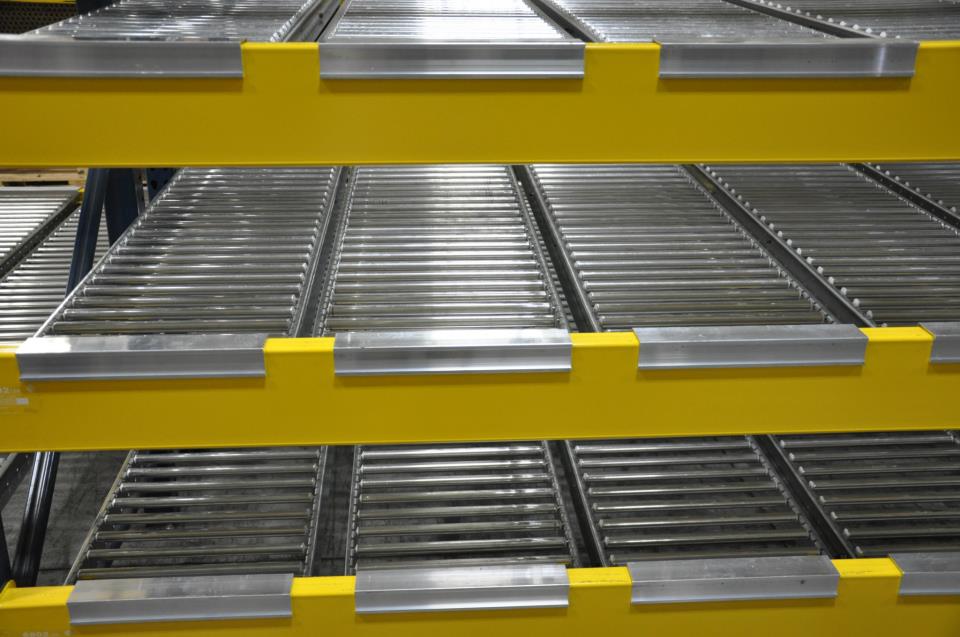
Carton Flow Rack
Cases advance to the picker instead of the picker hunting for cases.
View detailsNearby Areas We Also Serve
We coordinate design, delivery and installation across the Sacramento region.
Where We Work
Located in Sacramento, we serve the entire Sacramento region with industrial pallet racks and warehouse storage solutions.
Sacramento Pallet Racks
Address
836 57th St.
Ste 410
Sacramento, CA 95819
Phone
(916) 357-9401Business Hours
Monday - Friday: 8:00 AM - 6:00 PM
Saturday: Closed
Sunday: Closed
Need Drive-In Rack in West Sacramento?
Call (916) 357-9401 or request a quote and we will get a layout started.