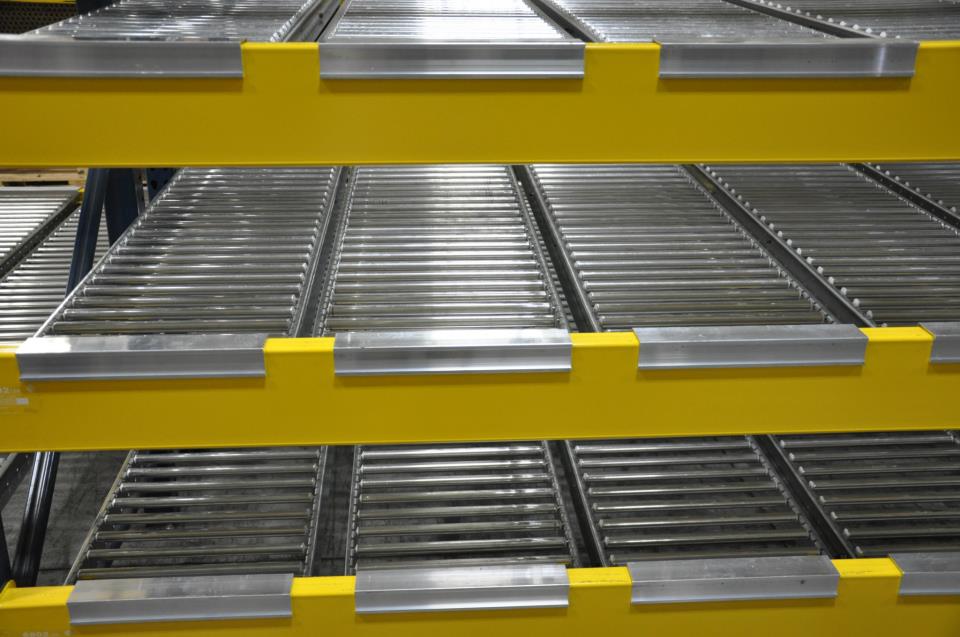
Carton Flow Rack in Roseville, CA
Carton flow rack in Roseville gives small-case inventory a defined picking face while keeping replenishment behind the shelves. Inclined roller lanes carry suitable cases or totes forward as the leading container leaves its position. For parts distribution, that arrangement can reduce reaching into shelves and searching through scattered cartons, helping order picking speed without changing every storage position in the building.
A facility near Foothills Boulevard should place its picking line around the actual route between reserve inventory and order assembly. Where receipts associated with the Union Pacific Roseville Yard enter a warehouse workflow, the layout should keep bulk staging separate from rear replenishment access. Neither location determines shelf depth; case dimensions, demand, and available floor space do.
Why Carton Flow Racking Fits Mixed Parts Orders
The starting point is the assortment, not a uniform shelf grid. Fast-moving parts may need several assigned lanes, while slower items may belong on adjacent static shelving. We compare container sizes, replenishment frequency, and picking habits before recommending where flow storage belongs within the broader inventory plan.
Two accessible faces are essential: workers pick at the front and replenish from the back. That separation supports FIFO movement within each correctly managed lane and limits restocking interruptions in the picking aisle. Clear SKU identification remains necessary because gravity movement does not replace inventory records or lot handling procedures.
For Roseville, we are a division of Warehouse Equipment & Supplies Co., with supplying and installing experience dating back to 1997. We bring the proposed shelf arrangement, supporting structure, and handling paths into the same review so a compact picking line does not create an awkward receiving route elsewhere.
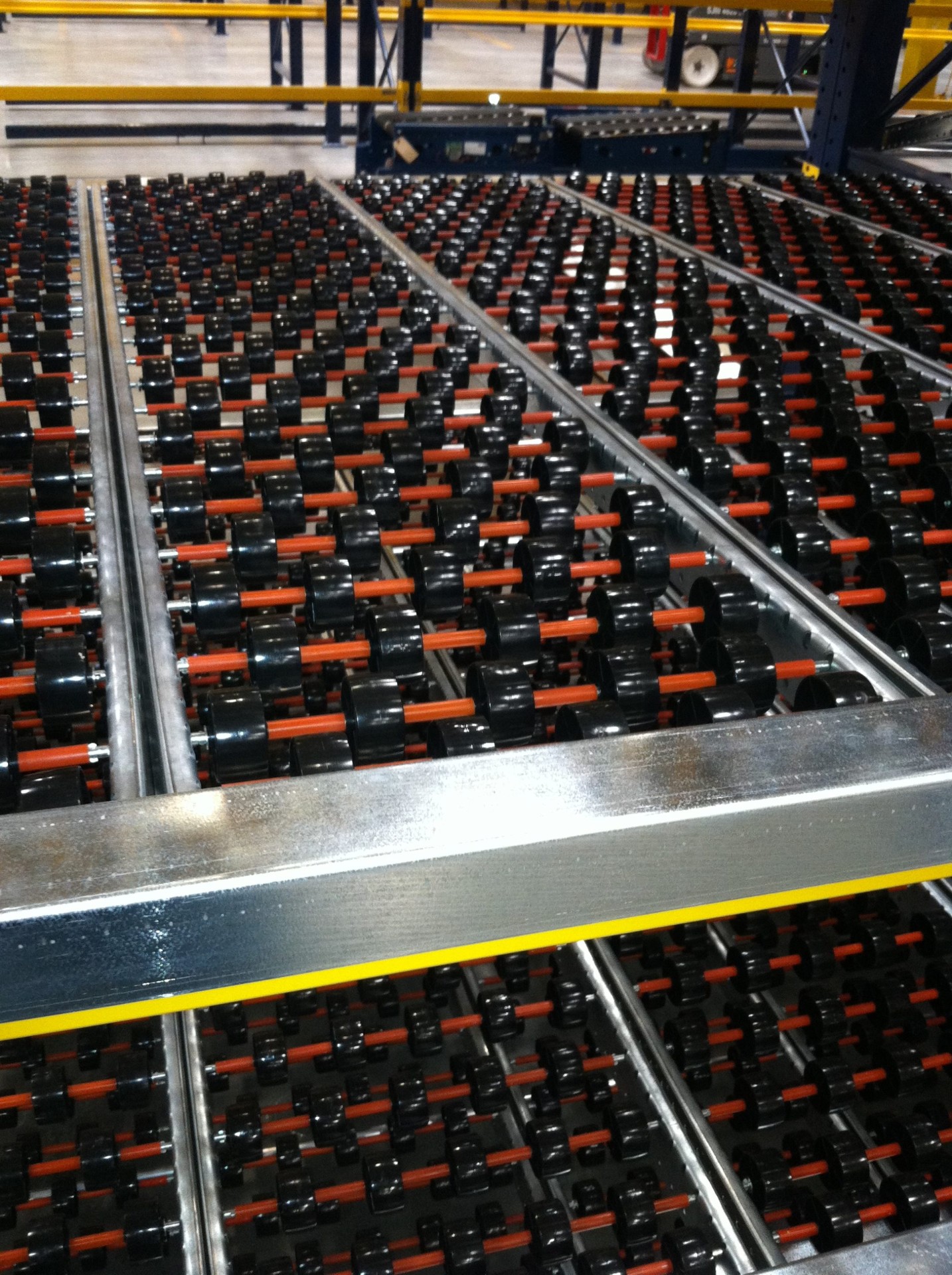
Storage and Industrial Context
Service-area context includes Union Pacific Roseville Yard, Foothills Boulevard, I-80 and Highway 65.
How We Configure a Case Flow Rack
Profile the containers
Provide representative cases and totes, including the lightest load and any flexible carton bases. Roller spacing and support must suit the actual contact surface, not merely the outside dimensions printed on a packaging specification.
Assign each facing
Lane widths and dividers establish separation between neighboring products. We balance usable facing space against handling clearance, then consider lane depth in relation to the amount normally consumed before the next replenishment round.
Draw both working aisles
The plan shows front picking, rear loading, and movement toward packing. Potential pick modules are evaluated as part of that route, with shelf elevations selected around container height, reach, and visibility of identification labels.
Validate movement and support
Representative containers should travel through the proposed incline without binding or arriving unpredictably. The review also covers shelf loads, front stops, and the supporting bay before component selection and installation arrangements move forward.
Carton Flow Rack Installation and Bay Integration
A retrofit into existing pallet rack bays begins with verified compatibility. Beam profiles, upright identification, connection details, dimensions, condition, and rated capacities must support the proposed assembly. A shelf that appears to fit between beams is not sufficient evidence that the combination is appropriate.
For a standalone picking area, shelf depth should leave room for both daily tasks rather than consume every available inch. We consider how replenishment carts approach the rear, how empty containers leave the front, and whether adjacent workstations interrupt either movement.
Within pick modules, flow levels can organize active cases beside other storage methods. The arrangement should follow the order profile rather than give every SKU equal space. Heavy cartons, awkward reaches, and frequent replenishment deserve separate attention when selecting shelf positions and lane assignments.
Installation planning includes an agreed work area, component staging, and a sequence for bringing inventory into the new lanes. At handover, operators should understand loading direction, assigned products, and the importance of keeping dividers and stops in their intended positions.


Carton Flow Rack Review for Parts Picking
Request a carton flow rack proposal with case measurements, representative weights, bay information, and a sketch of receiving and packing. Note which items create repeated walking or restocking interruptions so the review addresses the actual picking problem.
Roseville warehouse racking · Carton flow product specifications · Pallet flow options · Pushback storage options
Sacramento Pallet Racks
836 57th St.
Ste 410
Sacramento, CA 95819
(916) 357-9401Monday - Friday: 8:00 AM - 6:00 PM
Roseville Buyer Questions
Other Rack Types We Supply in Roseville
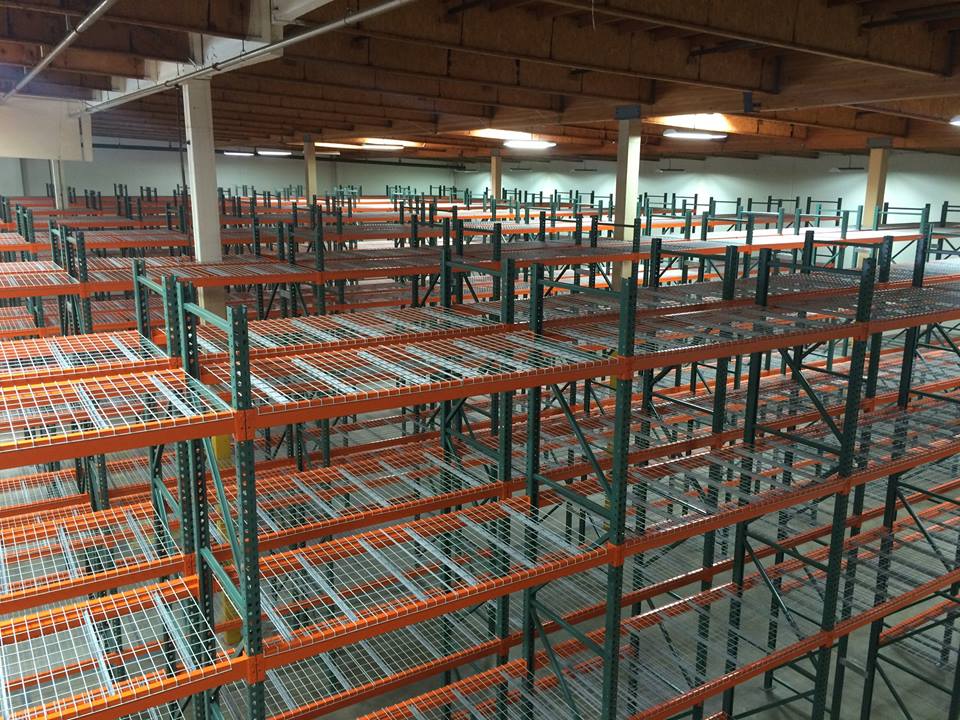
Pallet Rack
Every pallet reachable, every time. The baseline we size everything else against.
View details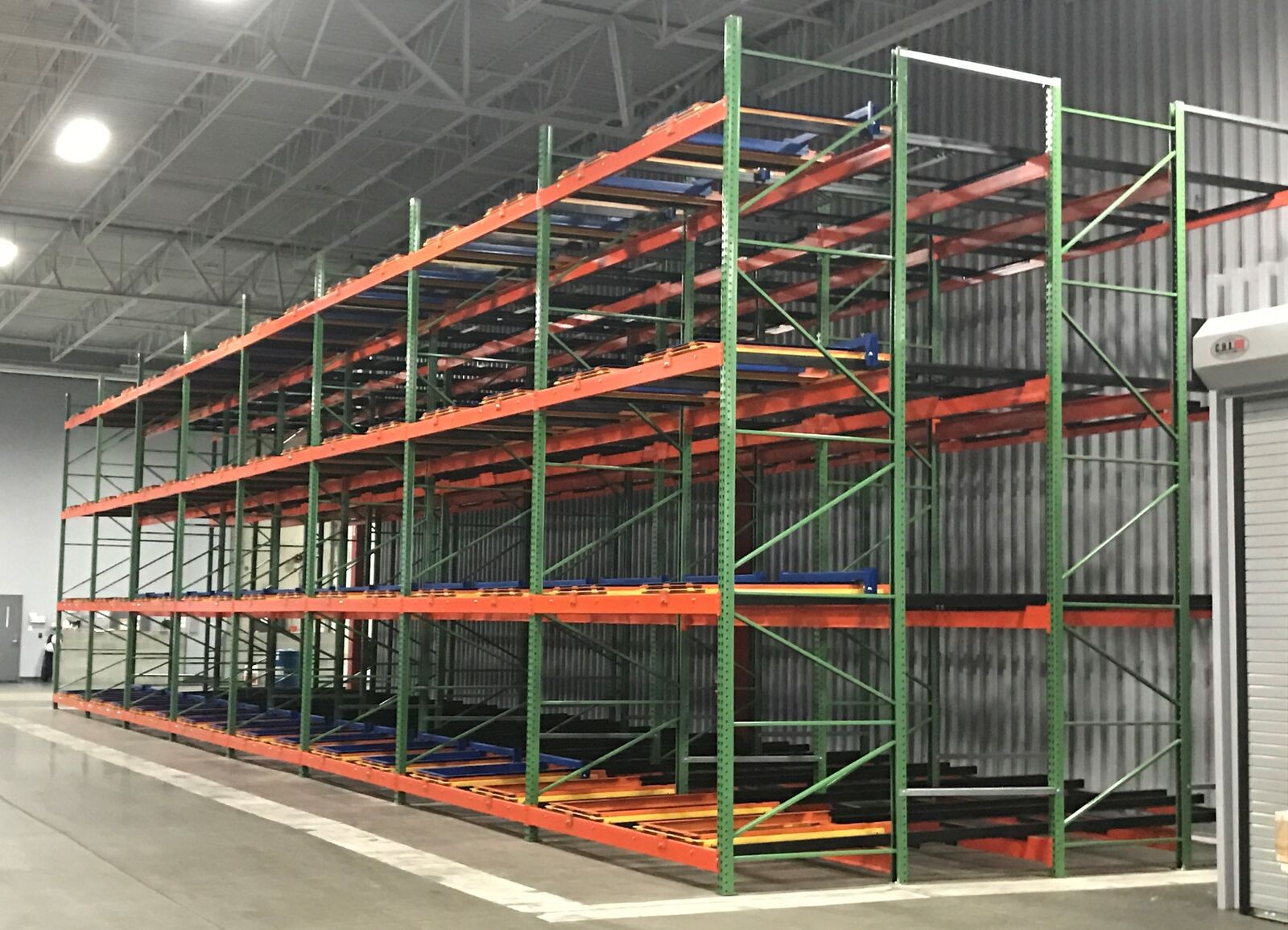
Pushback Rack
Two to six pallets deep from one aisle, without giving up much reach.
View details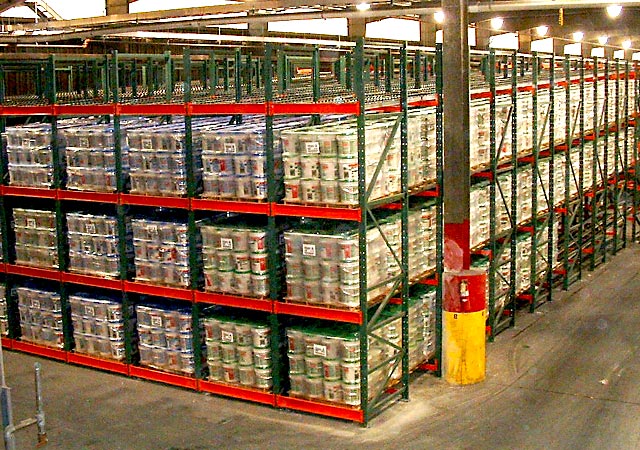
Pallet Flow Rack
Load one side, pick the other, and let gravity enforce first in, first out.
View details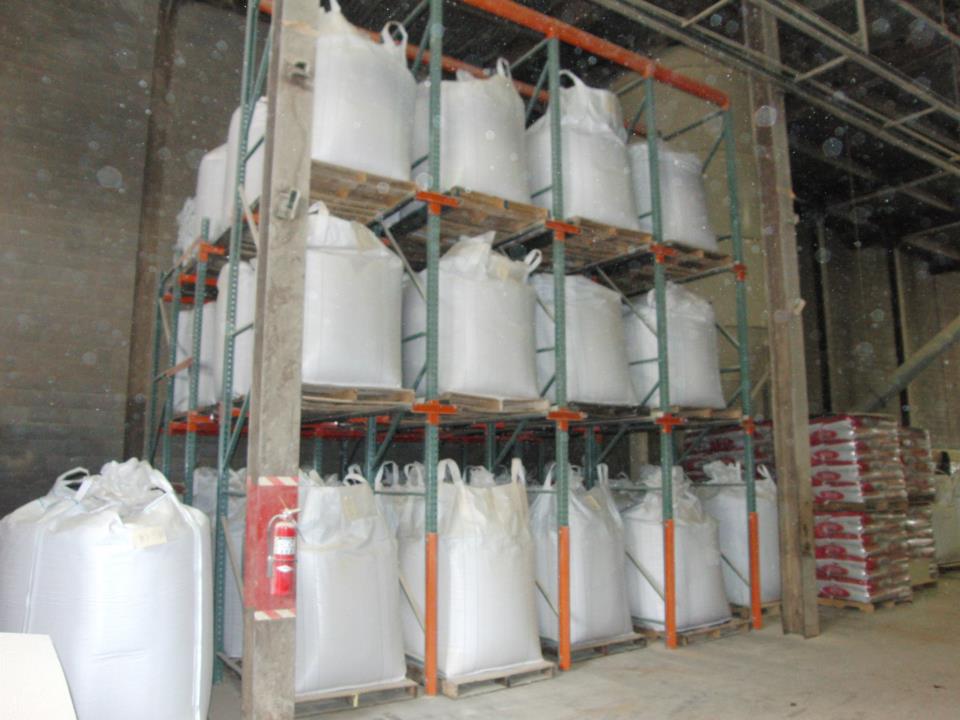
Drive-In Rack
Deep storage lanes replace intermediate access aisles, with the lift truck entering the structure to handle pallets.
View details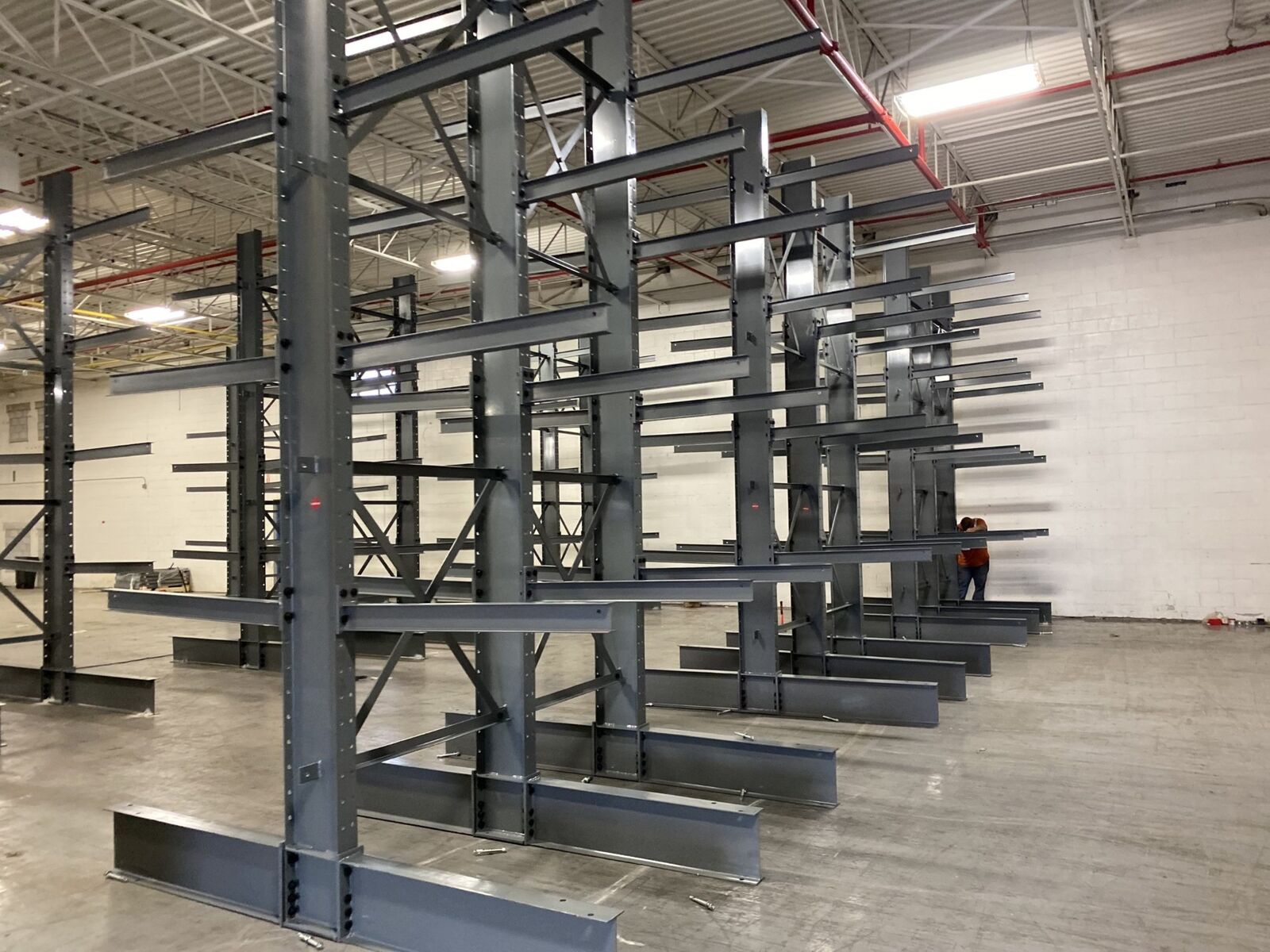
Cantilever Rack
Arms with nothing in front of them, built for lumber, pipe, and anything a pallet can't hold.
View detailsNearby Areas We Also Serve
We coordinate design, delivery and installation across the Sacramento region.
Where We Work
Located in Sacramento, we serve the entire Sacramento region with industrial pallet racks and warehouse storage solutions.
Sacramento Pallet Racks
Address
836 57th St.
Ste 410
Sacramento, CA 95819
Phone
(916) 357-9401Business Hours
Monday - Friday: 8:00 AM - 6:00 PM
Saturday: Closed
Sunday: Closed
Need Carton Flow Rack in Roseville?
Call (916) 357-9401 or request a quote and we will get a layout started.